Missouri Driving Laws: A Complete Guide

Minimum Driving Age Instruction Permit: Available at age 15 after passing the vision, road sign, and written tests. Intermediate License: Eligible at age 16 after holding an instruction permit for at least 182 days and completing 40 hours of supervised driving (including 10 hours at night). Full License: Available at age 18 or after holding […]
Mississippi Driving Laws: A Complete Guide

Mississippi Driving Laws: A Complete Guide
Minnesota Driving Laws: A Complete Guide

Minnesota Driving Laws: A Complete Guide
Is Montana the Best-Kept Secret in Luxury Vehicle Registration?

Discover how high-net-worth individuals and collectors use Montana’s tax-friendly policies to legally register exotic, classic, and specialty vehicles while avoiding costly state taxes and annual renewals.
Michigan Driving Laws: A Complete Guide

In Michigan, teens can get a Level 1 permit at 14 years 9 months with driver’s ed, a Level 2 license at 16 with 50 supervised hours, and a full Level 3 license at 17 with a clean record. Permit holders must drive with an adult 21+, and phone use is banned for under-18 drivers. Seatbelts are required, and strict child seat laws apply. Texting and handheld phone use are banned for all drivers. The legal BAC is 0.08% for adults, zero tolerance under 21. Speed limits reach 75 mph on rural freeways. Michigan uses a points system, requires no-fault insurance, and licenses renew every 4 years with a vision test.
Massachusetts Driving Laws: A Complete Guide

In Massachusetts, teens can get a permit at 16, a junior license at 16½, and a full license at 18 with a clean record. Seatbelts and child seats are mandatory, phone use is banned for under-18 drivers, and the legal BAC is 0.08% for adults, zero for under 21. Speed limits reach up to 70 mph, insurance is required, and licenses renew every 5 years with a vision test.
Maryland Driving Laws: A Complete Guide

In Maryland, teens can get a permit at 15 years 9 months, a provisional license at 16 years 6 months, and a full license at 18 with a clean record. Seatbelts are mandatory, strict child seat rules apply, and phone use is banned for drivers under 18. The legal BAC limit is 0.08% for adults, zero tolerance under 21. Speed limits vary from 70 mph on interstates to 15–25 mph in school zones. Maryland uses a points system, requires liability insurance, and renews licenses every 8 years with a vision test for drivers over 40.
Maine Driving Laws: A Complete Guide

In Maine, teens can get a permit at 15, an intermediate license at 16, and a full license at 18 with a clean record. Permit holders need adult supervision and can’t use phones. Seatbelts are mandatory, and strict child seat rules apply. Texting is banned for all drivers; handheld phone use is only allowed hands-free for those over 18. The legal BAC limit is 0.08% for adults, zero for under 21. Speed limits range from 75 mph on interstates to 15 mph in school zones. Reckless driving can lead to fines, jail, or suspension. Insurance and timely license renewals are required.
Car Insurance 101: What Every Driver Should Know About Coverage

Understanding car insurance coverage is essential—not just for legal reasons, but to make sure you’re protected when it matters most. Whether you’re a first-time policyholder or just reviewing your current plan, knowing your coverage options can save you from costly surprises and help you avoid paying for protection you don’t need.
2025 RV Tax Strategies: How High-End Owners Can Save Thousands
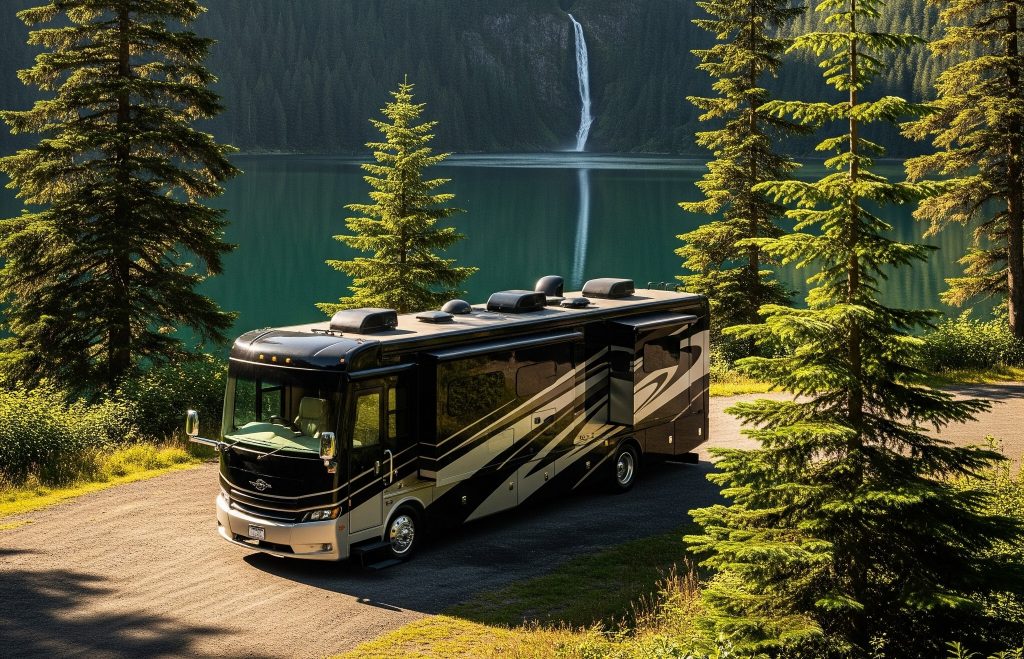
From business deductions to second-home benefits, learn how luxury RV owners can take advantage of smart, legal tax savings this season.