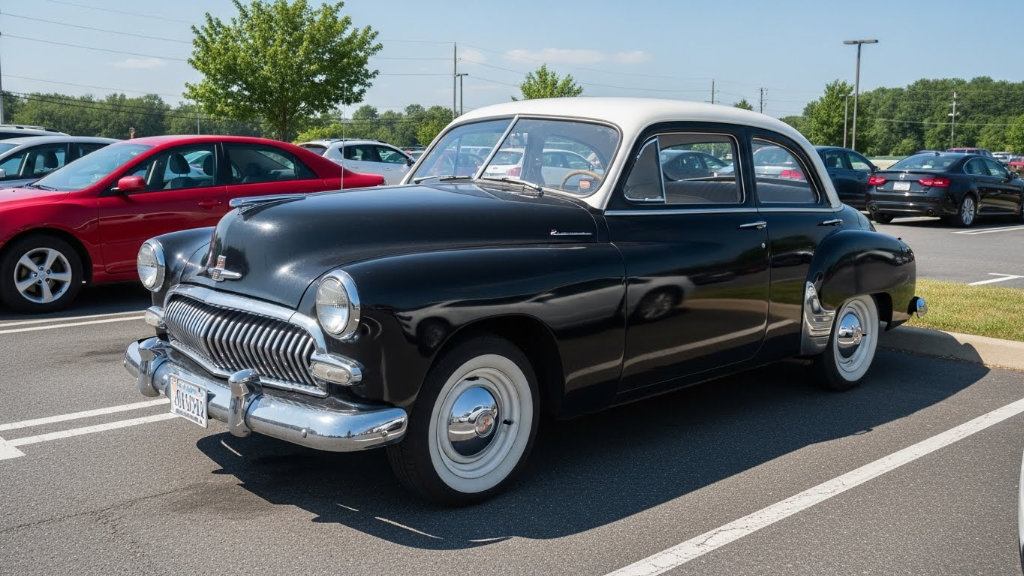
Most people title a vehicle in their own name without ever questioning it. But for business owners, consultants, builders, creators, and anyone who uses a vehicle for work or wants more control over their ownership structure, putting a car in an LLC can unlock strategic advantages.
It can help separate personal assets from business activities, open the door to tax efficiency, support cleaner bookkeeping, add meaningful privacy, and give your business a more credible presence on the road.
At Ride Legal, we see this every day: the right ownership structure helps people drive with clarity and confidence — and avoid the friction of outdated processes and confusing rules.
This guide breaks down the real reasons people put cars in LLCs, the tradeoffs to consider, and how to know whether this strategy fits your goals.
What It Actually Means to Put a Car in an LLC
Putting a vehicle in an LLC simply means the LLC is listed as the owner on the title, registration, and ideally the insurance. The vehicle becomes a business asset — not something tied to your personal identity.
Sources such as LegalZoom explain that this setup requires legitimate business use and consistency — the vehicle should operate like any other company asset. When done properly, the structure creates separation, clarity, and transparency for both operational and financial purposes.
Key Benefits of Putting a Car in an LLC
1. A Buffer Between Personal Life and Business Activity
One of the biggest advantages is separation. When the vehicle is owned by the business, your personal world stays distinct from your business world. In many industries — contractors, service providers, consultants, transportation, mobile businesses — this separation is simply part of operating smartly.
Resources like the Wyoming LLC guide emphasize that this is a primary reason companies use LLC-owned vehicles: it keeps business activity in the business.
Ride Legal’s philosophy aligns with this idea — drivers deserve structures that support confidence, not confusion. Clear separation is part of that confidence.
2. Access to Business Tax Deductions
When a business owns a vehicle and uses it for business activity, many related expenses may be deductible — including fuel, maintenance, insurance, depreciation, and more. You can typically use either the IRS standard mileage rate or the actual-expense method.
Platforms like UpCounsel highlight the operational requirements: document business use, maintain mileage logs, and keep clean records. Businesses that follow simple, consistent systems often find this structure easier than trying to separate a personal vehicle’s mixed use.
This is exactly where Ride Legal helps: we make ownership cleaner, simpler, and easier to maintain so drivers stay in control of their documentation instead of drowning in it.
3. Cleaner, More Professional Bookkeeping
Once the LLC owns the vehicle, the business pays for the expenses, tracks operating costs, and manages documentation in one place.
This offers big advantages:
- Expenses are cleaner
- Records are centralized
- Year-end accounting becomes simpler
- The business looks more credible
A tidy financial footprint is a sign of a well-run operation — and Ride Legal’s streamlined systems help owners maintain this separation without stress or second-guessing. We help bridge the gap between passion and paperwork so you can focus on the road, not the receipts.

4. Meaningful Privacy Benefits
If privacy matters — whether you own high-value vehicles, operate in the public eye, or simply prefer to keep your personal information off vehicle records — an LLC can provide an additional layer of anonymity.
Providers like Northwest Registered Agent break down how an LLC can shield your name and home address from public title and registration databases.
Ride Legal understands this better than anyone: your identity, your builds, and your lifestyle are personal. Our role is to help you protect that identity while still enjoying full mobility and compliance.
5. A More Professional Image for Your Business
A vehicle titled to the business reflects credibility. It shows clients, vendors, and partners that you’re operating with structure and intention.
For businesses that rely on transportation — contractors, sales teams, service providers, mobile entrepreneurs, independent creators — having the vehicle owned by the company can support:
- Stronger vendor relationships
- Easier application for trade accounts
- Consistent branding
- Asset continuity if the business grows or transitions
Ride Legal empowers owners to create systems that reflect where they’re headed — not just where they are today.
Major Drawbacks and Risks to Understand
LLC ownership isn’t for everyone. There are real drawbacks, too.
1. Higher Costs for Formation, Maintenance, and Insurance
Forming and maintaining an LLC includes state fees, annual reporting, and administrative upkeep. On top of that, commercial auto insurance is often more expensive than personal policies.
If the vehicle is inexpensive or lightly used for business, these costs can outweigh the benefits.
2. Personal Use Limits and Documentation Requirements
To keep the benefits, business use must be primary.
That means:
- Tracking mileage
- Recording expenses
- Separating personal use
- Maintaining consistent habits
This structure rewards organization. If someone isn’t willing to maintain that structure, an LLC may not be the right fit.
3. Financing and Title Transfer Issues
Some lenders are hesitant to finance vehicles under an LLC unless the business is established. Others may require a personal guarantee. And transferring a personally titled vehicle into an LLC can trigger taxes or fees, depending on the state.
This is why many owners use the LLC from the beginning rather than trying to move the vehicle into it later.
4. The LLC Doesn’t Remove Responsibility — It Organizes It
Putting the vehicle in an LLC doesn’t eliminate risk — it organizes it.
The business is responsible for the vehicle and related activity, which means the LLC still needs proper insurance, records, and structure.
That’s where Ride Legal gives drivers an edge: we simplify compliance so the structure stays intact and stress-free over time.
When Putting a Car in an LLC Does Make Sense
This strategy works best for:
- Contractors and service providers
- Sales reps and consultants who drive often
- Fleet operators
- Businesses wanting structured ownership
- Owners of specialty or high-value vehicles seeking privacy
- Anyone who wants clean separation between business and personal activity
When the vehicle is a meaningful part of how you earn or operate, the LLC structure typically works in your favor.
When It Doesn’t Make Sense
It usually isn’t worth it when:
- The car is mostly personal
- The vehicle isn’t valuable or business-critical
- You don’t want to track mileage or expenses
- You want the simplest ownership method possible
- Insurance increases would erase the advantages
Many drivers realize they don’t need the LLC structure at all — they need clarity. That’s where Ride Legal steps in.
| Aspect | Potential Benefit | Potential Consideration |
|---|---|---|
| Separation | Keeps personal and business activity distinct | Requires consistent structure |
| Taxes | Businesses may deduct legitimate operating expenses | Requires documentation |
| Privacy | Keeps your name off public vehicle records | Needs proper setup and maintenance |
| Costs | Optimizes expenses for heavy business use | LLC and insurance costs can be higher |
| Professionalism | Strengthens brand and credibility | Adds administrative steps |
How to Decide: A Simple Framework
Ask yourself:
- Does the vehicle primarily support business activity?
- Do I want separation between business and personal ownership?
- Will deductions and structure outweigh added costs?
- How important is privacy to me?
- Am I willing to maintain clean records?
If most of these lean “yes,” an LLC might be the right move.
If not, a simpler structure may work better.
FAQ: Putting a Car in an LLC
Should you put your car under your LLC?
It depends on how you use the vehicle.
Suppose the car is primarily part of your business. In that case, driving to job sites, visiting clients, delivering products, hauling equipment, or representing your brand — putting it under your LLC can give you cleaner separation, better organization, and a more professional footprint.
If the car is mostly personal, the structure usually isn’t worth the extra cost and documentation.
Ride Legal’s role is to help you understand which option makes sense for your specific situation and keep the process smooth from start to finish.
What are the benefits of transferring a car to an LLC?
The main advantages are:
- Separation: Your business activity stays with the business, and your personal world stays personal.
- Organization: Expenses, mileage, and operating costs stay neatly documented under the company.
- Privacy: Your name doesn’t appear on public title and registration records.
- Professionalism: It signals a more established, structured business — helpful with clients, vendors, and branding.
Many owners choose this structure because it simplifies management and strengthens the business identity behind their vehicle. Ride Legal helps ensure that transition is done cleanly and consistently.
Can I write off my car if I have an LLC?
Yes — if the vehicle is genuinely used for business.
Your LLC may be able to deduct fuel, maintenance, insurance, depreciation, and other operating costs. You can typically choose between the IRS standard mileage rate or the actual-expense method.
The key is documentation.
Mileage logs, expense records, and clear business use make everything easier — and Ride Legal’s streamlined approach helps owners keep their records organized so write-offs are clean rather than chaotic.
How do I use my LLC to get a car?
There are two common paths:
- Buy or lease the vehicle directly in the LLC’s name
The business signs the purchase or lease agreement, and the vehicle is titled to the company from day one. - Transfer an existing personal vehicle to the LLC
This involves retitling the vehicle and updating insurance and registration to reflect business ownership.
Lenders may request additional documentation for business financing, and insurance companies typically require a commercial or business-use policy. Ride Legal helps owners navigate these steps, manage paperwork, and keep everything compliant so the process feels straightforward instead of overwhelming.
Ride Legal’s Perspective — And How We Support You
Ride Legal exists to make ownership simpler, smarter, and more confident for people who live through their vehicles. Whether you’re operating across states, running a business, or simply want cleaner organization behind the scenes, our role is to remove friction.
We help you structure ownership, registration, and compliance in a way that reflects your lifestyle — without the DMV drama, without the guesswork, and without slowing you down.
Your vehicle should work for you.
Your freedom on the road should come with clarity, and Ride Legal is here to deliver exactly that.