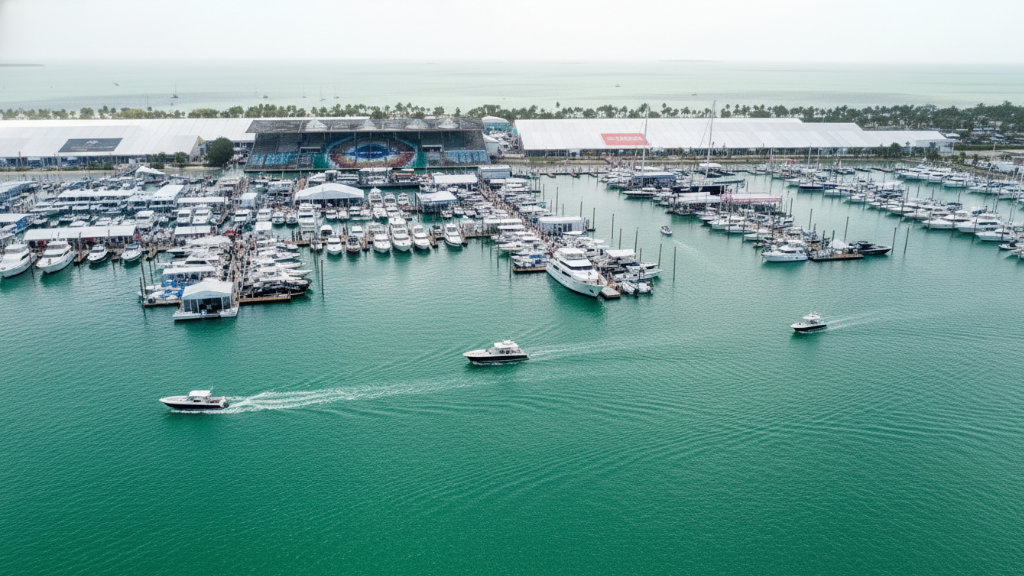
This shift is not accidental—it reflects a broader change in how certain vehicle owners approach registration, ownership structure, and long-term administration.
Why Montana Plates Are Becoming More Visible
Montana allows non-residents to form Limited Liability Companies (LLCs), as outlined by the Montana Secretary of State.
These entities can hold title to vehicles, meaning registration occurs under the business rather than an individual.
At the same time, Montana does not impose a general sales tax, according to the Montana Department of Revenue. For higher-value vehicles, this distinction can influence how ownership is structured and where registration takes place.
What Montana Plates Represent
At shows and rallies, Montana plates often indicate a more deliberate ownership approach rather than geographic residency.
They are commonly associated with:
Collectors managing multiple vehicles under a single entity
Owners navigating multi-state registration considerations
High-value purchases where acquisition structure matters
Vehicles that do not align easily with traditional state requirements
Rather than a passing trend, this reflects a shift toward more structured vehicle ownership.
Key Structural Differences in Montana
Montana’s vehicle registration framework differs from many other states in several ways:
No general sales tax on vehicle purchases (see the Montana Department of Revenue)
No statewide emissions or smog testing requirements, as outlined by the Montana Motor Vehicle Division
Eligibility for permanent registration for certain vehicles under Montana Code 61-3-562
Entity-based ownership through LLC formation via the Montana Secretary of State
For certain owners, these differences simplify both initial registration and long-term administration.
A Growing Presence in the Enthusiast Community
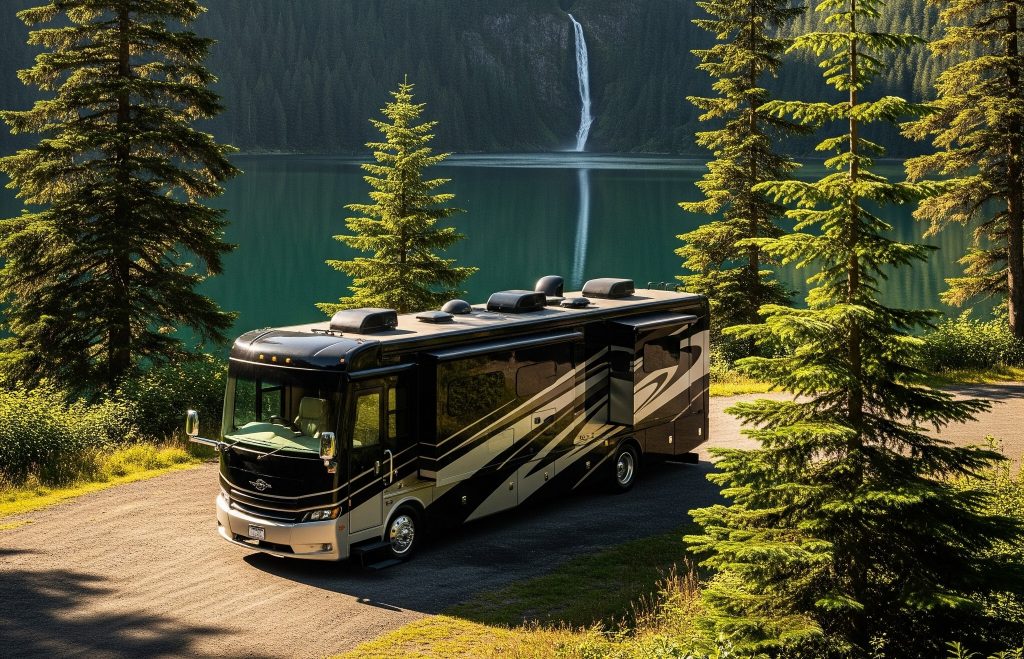
From supercar rallies to collector showcases, Montana plates have become increasingly visible across a wide range of vehicles—from exotic cars to RVs and custom builds.
This visibility is less about where the owner lives and more about how ownership is structured.
Understanding the Full Process
For those exploring this approach, the process involves more than registration alone. It includes entity formation, documentation, compliance considerations, and coordination with state agencies.
For a deeper look at how this works in practice, including out-of-state registration steps and requirements, read:
What Is the Process for Registering Exotic Cars Purchased Out of State
Where Ride Legal Fits In
Ride Legal works with clients who require precision in how vehicles are titled and registered—particularly in multi-state and high-value scenarios.
Our role is to coordinate:
Entity formation aligned with ownership strategy
Vehicle titling and documentation
Direct handling with state agencies
Ongoing structural alignment for compliance
Each step is handled with accuracy and discretion.
Make the Decision Before Registration
Registration outcomes are determined before paperwork is finalized. Once a vehicle is purchased and submitted, available options become more limited.
Ride Legal works with clients who want clarity at that stage—aligning ownership, registration, and long-term considerations from the outset.