The high-performance automotive landscape is shifting beneath our feet. For the collector who tracks every incremental gain in horsepower or aerodynamic efficiency, the arrival of solid-state battery (SSB) technology in 2026 represents the most significant pivot since the introduction of the hybrid hypercar.
We are moving past the era of heavy, liquid-electrolyte lithium-ion packs and entering a phase where energy density and charging speeds redefine the exotic category.
Here’s the reality: as manufacturers like Toyota and niche hypercar builders begin integrating these packs into 2026 models, the logistical hurdles for owners are evolving just as fast. The days of treating an EV import like a standard internal combustion vehicle are gone.
Between fluctuating customs duties and new federal shipping classifications, bringing a solid-state masterpiece into your collection requires a strategy that mirrors the sophistication of the car itself.
The New Customs Landscape for Solid-State Imports
Think about it: the value of an exotic car is often tied to its rarity and technological “firsts.” However, federal agencies are currently recalibrating how they view these high-density energy storage systems.
For 2026, the U.S. Customs and Border Protection has implemented stricter oversight on battery chemistry declarations. This isn’t just paperwork; it is a financial gatekeeper.
The Section 301 tariffs, which heavily targeted lithium-ion batteries from specific regions, are now being scrutinized for their application to solid-state variants.
Because SSBs often utilize different raw materials—including significant amounts of silver in some high-end configurations—the harmonized tariff schedule (HTS) codes used during the import process have become a minefield. One incorrect classification at the port can lead to your vehicle being impounded for weeks while state agencies debate the applicable duty rate.
Shipping and Safety: The UN 3557 Shift
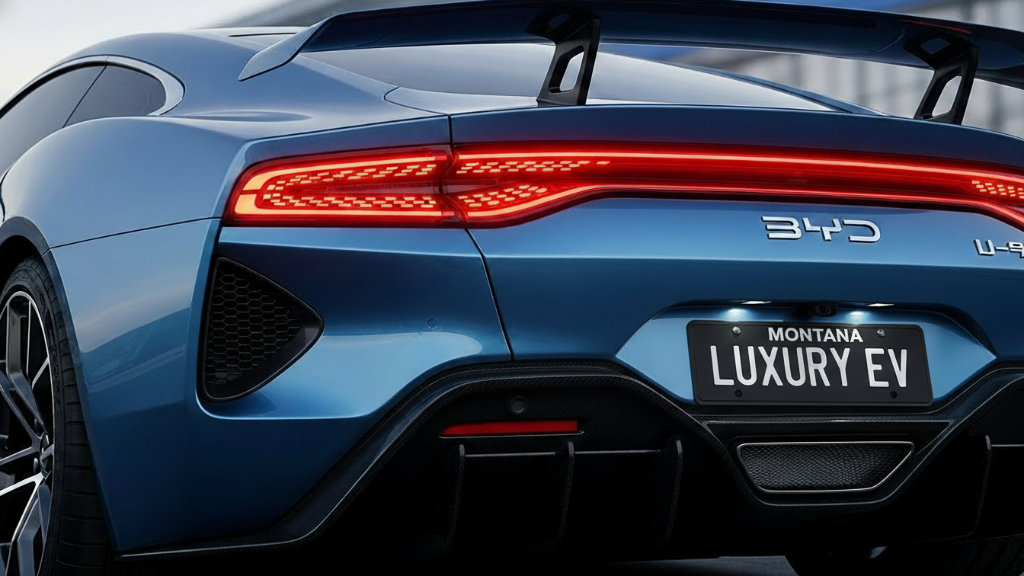
Let’s be honest: the logistics of moving an exotic car are always stressful. You don’t want to be stuck on a cargo dock waiting for a hazardous materials clearance because your broker used an outdated code.
As of January 1, 2026, international shipping regulations have introduced specific UN numbers for lithium-metal and solid-state powered vehicles.
Under the new IATA and IMO guidelines, vehicles utilizing solid-state technology are often categorized under UN 3557. This classification is actually a benefit, as these batteries are non-flammable and lack the thermal runaway risks of traditional lithium-ion packs.
However, if your importer isn’t aware of the 2026 shift, they may still be filing under the more restrictive lithium-ion codes, leading to unnecessary delays and higher insurance premiums during transit.
State Registration and the Luxury Tax Trap
Once the car cleared customs and arrived in your driveway, the friction used to end. That is no longer the case. Several states have introduced aggressive “EV Road Use Fees” and “Clean Energy Surcharges” that are calculated based on the vehicle’s MSRP.
For a solid-state hypercar with a seven-figure price tag, these annual fees can rival the cost of a mid-sized sedan.
The tax assessors in states like California or New York are increasingly efficient at tracking these high-value acquisitions. They view your technological investment as a revenue stream.
Beyond the initial sales tax (which can easily exceed $100,000 on a premium exotic), the recurring registration costs are becoming a permanent drag on the ownership experience. This is where the standard registration model breaks down for the modern collector.
The 2026 Montana Strategy
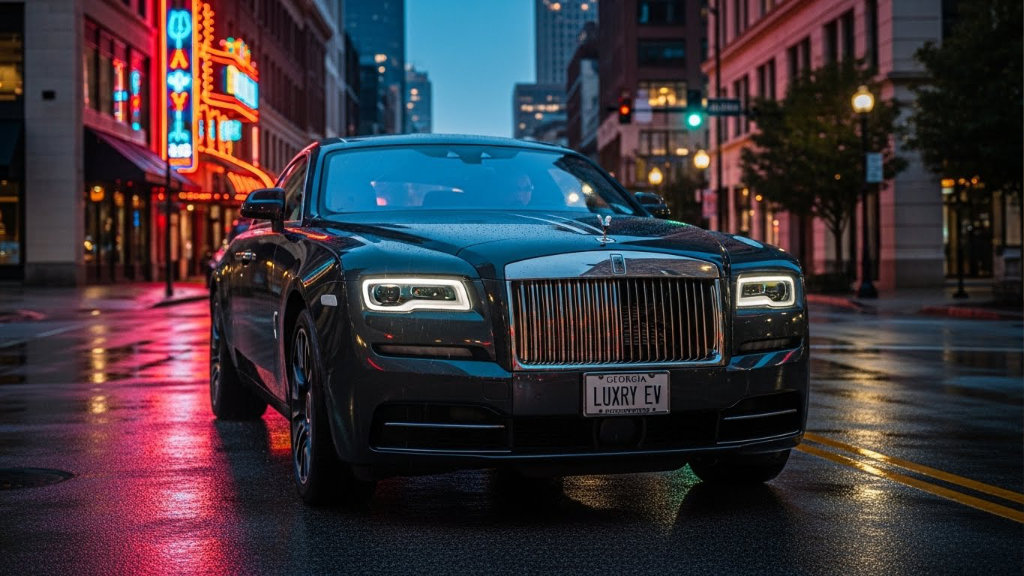
When you are managing a collection of this caliber, the goal is tax optimization and administrative simplicity. The DMV is designed for the mass market; it is not equipped to handle the nuances of a solid-state EV import or the privacy needs of a high-net-worth owner.
This is precisely why the Montana LLC remains the gold standard for asset management in 2026.
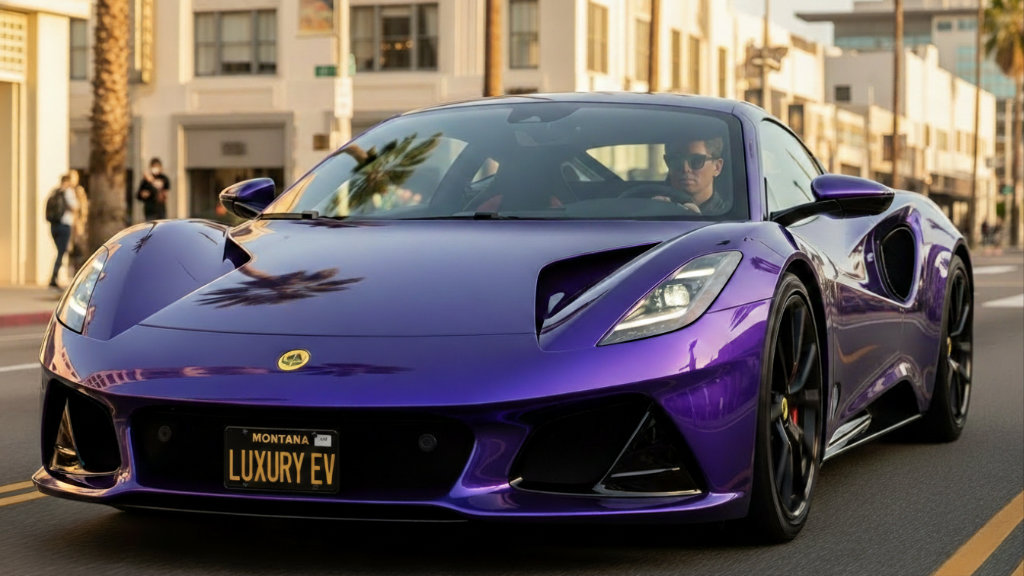
By holding the vehicle within a specialized LLC, you effectively step out of the high-tax environment of your home state. Montana has no sales tax, and more importantly, it does not impose the punitive EV surcharges found elsewhere.
For a solid-state exotic, this structure ensures that your tax efficiency is as optimized as the car’s power-to-weight ratio.
Want the full breakdown of why Montana works for high-end vehicles?
Read next: Is Montana the Best-Kept Secret in Luxury Vehicle Registration?
The Ride Legal Concierge
Managing the intersection of new battery technology, customs duties, and state registration is a full-time job. You should be focused on the driving experience, not debating HTS codes with a federal agent.
At Ride Legal, when you request a private import-to-registration plan, we handle the LLC, documentation, and registration—end-to-end.
We understand the frustration of dealing with state agencies that don’t understand your asset. That’s why our concierge service provides a compliant, white-glove solution that has successfully registered over 80,000 vehicles.
Whether you are importing a limited-run solid-state hypercar or expanding your current collection, we eliminate the friction of the DMV and the tax assessor in one move.