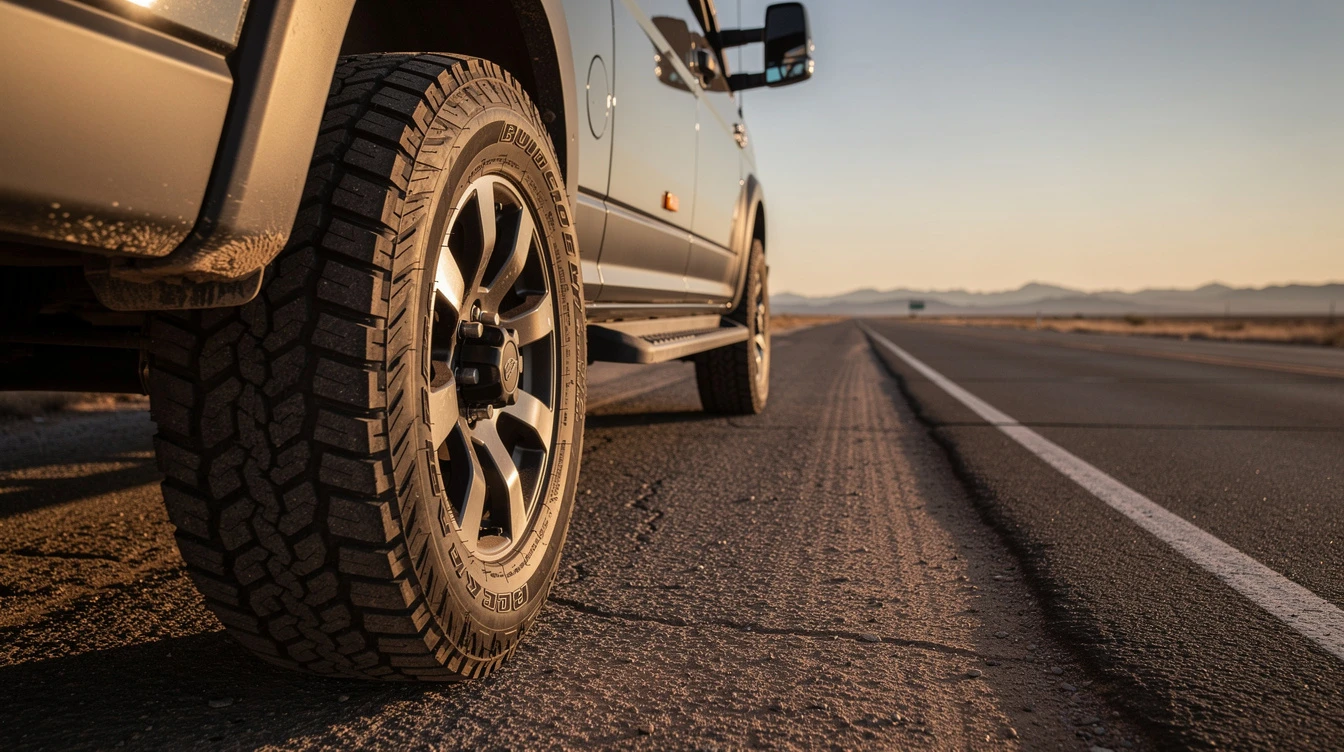
RV wheels are engineered for distance, not style, because they must handle significantly higher weight capacities and constant thermal stress compared to standard passenger vehicle wheels. Manufacturers prioritize structural integrity, material density, and heat dissipation to prevent catastrophic failure during extended cross-country hauls.
High Load Capacity Requirements Dictate Rim Construction
Commercial-grade RV wheels require a load rating that exceeds the gross vehicle weight rating (GVWR) of the coach by at least 20 percent to maintain a safety margin. This necessitates thicker aluminum or steel alloy cross-sections that would appear bulky if applied to elevated sports vehicles. These wheels are designed to resist metal fatigue, a process where structural components weaken over time due to repeated loading and unloading cycles on uneven road surfaces.
The Role of Material Density in RV Safety
Wheel density to the compactness of the metal alloy used in production, which directly impacts its ability to bear continuous weight. Forged aluminum is the standard for long-distance RV travel because it provides a superior strength-to-weight ratio compared to cast wheels. A forged wheel is manufactured by applying extreme pressure to a solid block of aluminum, resulting in a grain structure that follows the shape of the wheel, increasing resistance to cracking.
Managing Thermal Loads on Long Journeys
Thermal loading is the accumulation of heat within the wheel assembly caused by friction from heavy braking and rolling resistance. An RV, which can weigh over 20,000 pounds, generates massive amounts of kinetic energy that must be dissipated through the wheel and brake system. The engineering of these wheels includes specific cooling fins or geometry that allows airflow to reach the brake rotors, effectively shedding heat before it can damage the tire bead or wheel seal.
The Engineering Standards Behind Heavy-Duty Performance
Standard automotive aesthetic design does not meet the mechanical requirements for recreational vehicles or towing setups. Engineers focus on offset, backspacing, and center bore precision to make sure the vehicle remains stable at highway speeds. A Ride Legal has completed over 5,000 customer orders to date (internal data, lifetime through current month, n=5,848) which underscores that owners often have to rethink their vehicle hardware for legal compliance and safety standards when they transition to specialized asset management.
Ready to register your vehicle?
Join thousands of vehicle owners who use Ride Legal to handle their registration quickly.
Start Your Bespoke Registration →Why Aesthetics Are Second to Structural Integrity
Styling cues often involve thinner spokes or recessed patterns that compromise the structural path of force from the tire to the hub. In a heavy-duty RV application, these design choices create stress risers, which are specific locations where structural failure is likely to occur. By choosing simple, designs, manufacturers reduce the likelihood of vibrations, which can lead to premature wear of wheel bearings and suspension components.
Standardization and Maintenance Accessibility
Fleet operators and long-distance travelers need wheels that are simplified to inspect and simple to service. High-offset or intricate multi-piece designs complicate the process of checking torque settings on lug nuts or inspecting brake components. Standardized steel or aluminum wheels are chosen for their reliability in remote locations where service technicians might not have specialized tools to handle non-traditional aftermarket parts.
| Feature | Performance RV Wheel | Standard Vehicle Wheel |
|---|---|---|
| Material | Forged Alloy or Steel | Cast Aluminum |
| Load Capacity | High (GVWR + Margin) | Lower |
| Heat Dissipation | High airflow geometry | Low priority |
| Design Focus | Durability | Visual appeal |
Compliance and Legal Considerations for RV Owners
Proper documentation and registration are essential for RV owners who prioritize long-distance capability and asset protection. Owners who register through a Montana LLC often seek out compliant hardware to match their legal status, ensuring that their vehicle maintenance records and equipment remain consistent with professional standards. You can get started with Montana registration to keep your fleet in top shape.
Matching Your Hardware to Your Registration
When you get started with your vehicle registration, consider how your hardware impacts your ability to pass safety inspections in various jurisdictions. Using OEM-grade or high-quality aftermarket wheels that meet DOT standards ensures you do not face scrutiny during title transfers or regular our VIN check service reviews. A well-maintained vehicle is easier to keep registered and insured correctly.
Annual Maintenance for High-Mileage Rigs
RV wheels should be inspected every 5,000 miles to detect hairline fractures or evidence of overheating. This routine check is as important as your annual Montana LLC annual report filing. Keeping your equipment documented and your registration current provides peace of mind while you handle your travels across the 2026 holidays calendar.
Frequently Asked Questions About RV Wheel Engineering
Can I use passenger car wheels on my RV if they fit the lug pattern?
You should never use passenger car wheels on an RV. Car wheels lack the load rating to support the heavy weight of an RV, which can lead to structural failure, blowouts, and loss of vehicle control.
What is the most durable wheel material for cross-country travel?
Forged aluminum is the industry standard for durability in long-distance travel. It offers an excellent strength-to-weight ratio and is less prone to cracking under the heavy loads associated with motorhomes and large trailers.
How often should I check the torque on my RV lug nuts?
You should check the torque on your RV lug nuts before every trip and periodically during long journeys. Improper torque can cause wheel vibration and potentially lead to studs shearing off, which is a significant safety hazard.
Do different wheel designs affect fuel economy?
Yes, wheel design impacts aerodynamics and rolling resistance. Wheels engineered for distance often have smoother surfaces that reduce drag, helping to slightly improve fuel economy over thousands of miles compared to complex, heavy aftermarket designs.
Why does the number of lug nuts matter for heavy-duty wheels?
The number of lug nuts directly correlates to the clamping force that holds the wheel to the hub. Heavy-duty RV wheels typically use a higher number of lugs to distribute the extreme weight across the hub assembly, preventing the wheel from working loose during operation.
Understanding that RV wheels are engineered for distance, not style, allows owners to make better decisions regarding vehicle safety and long-term maintenance. By prioritizing structural integrity over design, you protect your investment and make sure a safer journey on the road ahead.
This is not legal or financial advice. Please consult your CPA/Attorney for all legal and financial guidance. Ride Legal is a privately owned website and is not operated by any government agency.