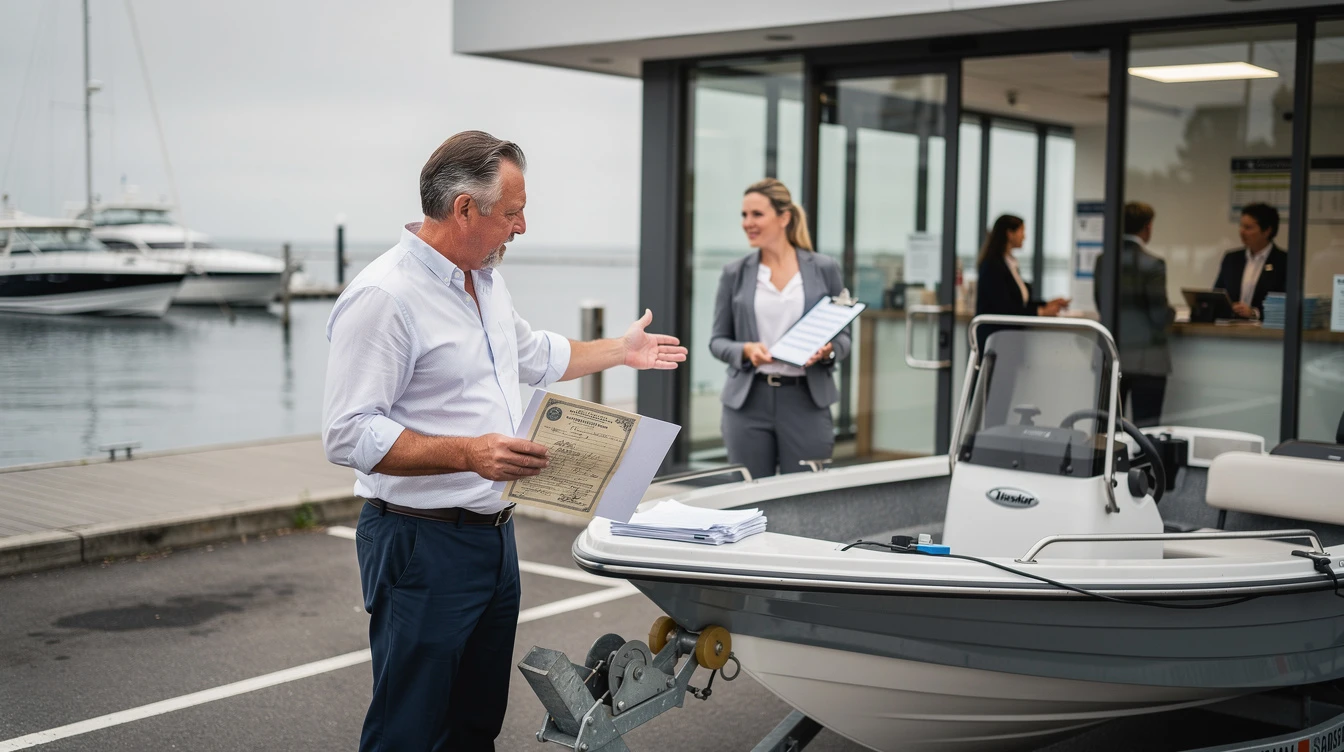
Registering a vessel without an existing title requires specific documentation, such as a bill of sale, an affidavit of ownership, or a bonded title. These methods provide the legal proof needed to establish your ownership with state authorities when the original document is lost, damaged, or was never issued.
Obtaining a title is a necessary step for proving ownership of any watercraft. Without a clear chain of custody, state agencies cannot verify that the asset is yours. We help owners provide the necessary documentation to work through complex paperwork when traditional evidence is absent.
Look at VIP Ownership Solutions →
States Accept Specific Proof of Ownership to Replace Missing Titles
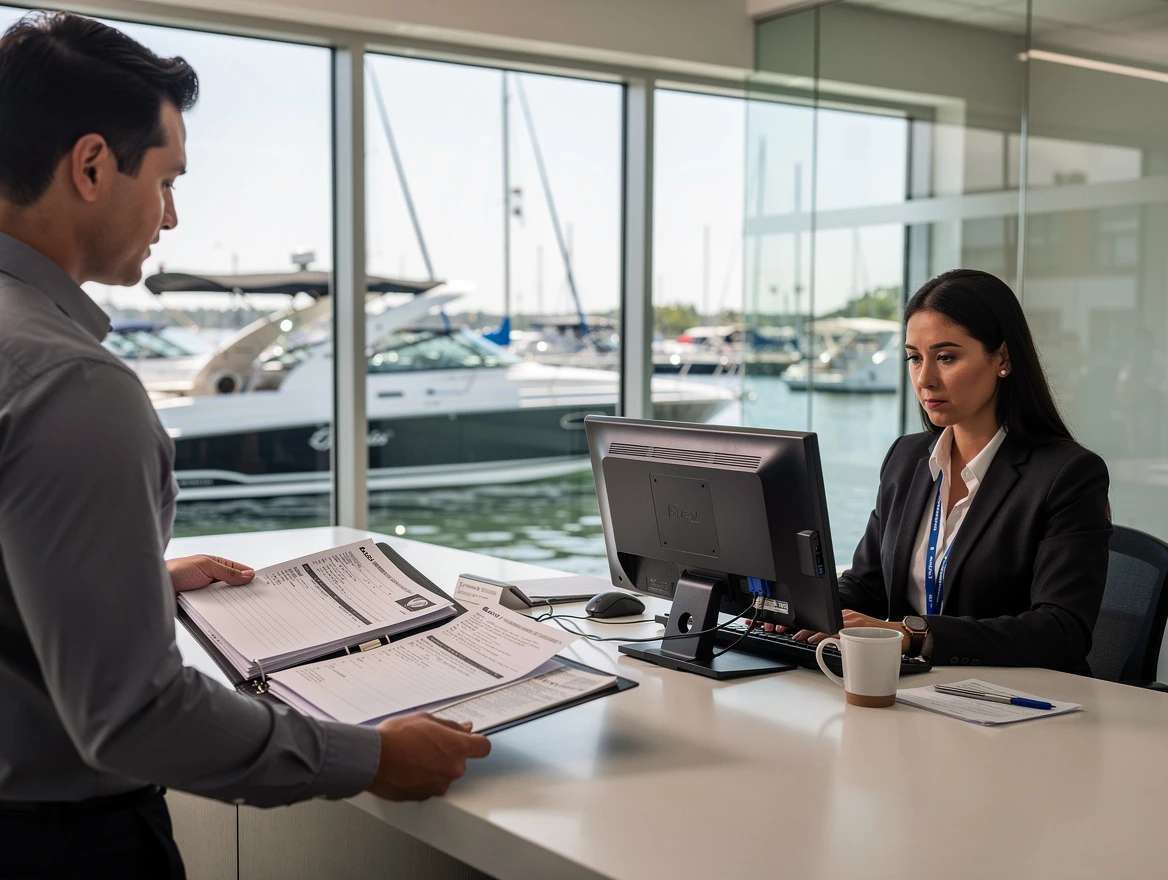
State agencies generally require a continuous trail of paperwork to issue a new title for a vessel. If you do not have the original title, you must often file a notarized bill of sale that includes the hull identification number, the purchase price, and the signatures of both the buyer and the seller. In cases where the boat is older, some states may accept a registration history report to confirm that the asset has not been reported stolen. Ride Legal has completed over 5,903 customer orders to date, providing expertise in resolving complex titling issues (internal data, lifetime through current month, n=5,903).
Ready to register your vehicle?
Join thousands of vehicle owners who use Ride Legal to handle their registration quickly.
Start Your Bespoke Registration →
Bonded Titles Provide a Path to Legal Recognition
A bonded title functions as a guarantee that you are the rightful owner of the vessel. You purchase a surety bond, which protects the state and previous owners in case a valid ownership claim appears later. This process typically takes between 30 to 90 days depending on the specific state requirements and the clarity of your supporting documentation.
Affidavits of Ownership Clarify History for Authorities
An affidavit of ownership is a sworn statement that details how you acquired the boat and why the title is missing. You must have this document notarized to carry weight with the DMV. It serves as your primary evidence when no other records exist, often used in conjunction with a physical inspection of the hull identification number.
Documentation Requirements Vary by Jurisdiction
Every state maintains its own set of rules for handling title recovery cases. Some states, like Montana, offer specific pathways for non-resident registration that prioritize efficiency for out-of-state assets. You can find more information in our guide on Does Anyone Have Resources On Boat Registration? to see if your specific vessel type meets the criteria.
Hull Identification Number Verification
The HIN is a 12-character identifier, similar to a VIN on a car, that is critical for tracking boat ownership. You must verify that the HIN matches the one on your bill of sale and any past registration cards. If the HIN is obscured or altered, you may need a law enforcement inspection before the state will issue a new title.
Bill of Sale Standards
Your bill of sale must be legible and include specific information to be valid. Make sure it lists the vessel make, model, length, and purchase date. Using a generic template from the internet is often insufficient, as state offices may require specific fields to be present. Our records show that the most frequent reason documents come back for correction is Odometer compliance, emphasizing the need for precision even in vessel-related paperwork (internal data, rolling last 90 days, n=31).
Compliance With State Laws Prevents Future Titling Issues
Properly titling your boat at the time of purchase prevents expensive delays when you eventually decide to sell or insure the asset. Many enthusiasts overlook the importance of How to Protect Your Exotic Car Investment with Proper Titling and Registration, but these same principles apply directly to marine assets.
Frequently Asked Questions About Boat Registration
Can I register a boat with only a bill of sale?
You can sometimes register a boat with a bill of sale if the vessel is older or falls under a specific state exemption. However, most states require a bonded title or a court order to issue a new title if the original has been lost.
What is a bonded title for a boat?
A bonded title is a document that allows you to register and title your boat when you cannot prove ownership through standard channels. It requires a surety bond to protect against potential ownership disputes.
Where do I find the Hull Identification Number?
The HIN is typically stamped on the exterior of the hull, usually on the starboard side of the transom. If you cannot find it, look for a secondary, hidden location inside the vessel, often near the helm.
How long does the title recovery process take?
Title recovery typically takes between 30 and 90 days. Factors like state processing backlogs and the need for external inspections will impact the final timeline for receiving your new documents.
Do I need to visit the local office to fix a missing title?
We provide remote paperwork support to help you manage the out-of-state paperwork with our paperwork support. This avoids the need for multiple trips to a local office, letting you handle the bulk of the process from home.
Start Your Bespoke Registration →
Securing a valid title for your vessel is a foundational step in responsible ownership. Whether you are dealing with a barn-find project or a simple lost document, the right approach will make sure your time on the water is not interrupted by ownership disputes or registration errors.
| Documentation Type | Primary Purpose | Processing Time |
|---|---|---|
| Bonded Title | Provides ownership guarantee | 30-90 Days |
| Affidavit of Ownership | Sworn statement of history | 14-30 Days |
| Bill of Sale | Initial proof of transaction | Immediate |
| HIN Verification | Confirms physical existence | Variable |
This is not legal or financial advice. Please consult your CPA/Attorney for all legal and financial guidance. Ride Legal is a privately owned website and is not operated by any government agency.