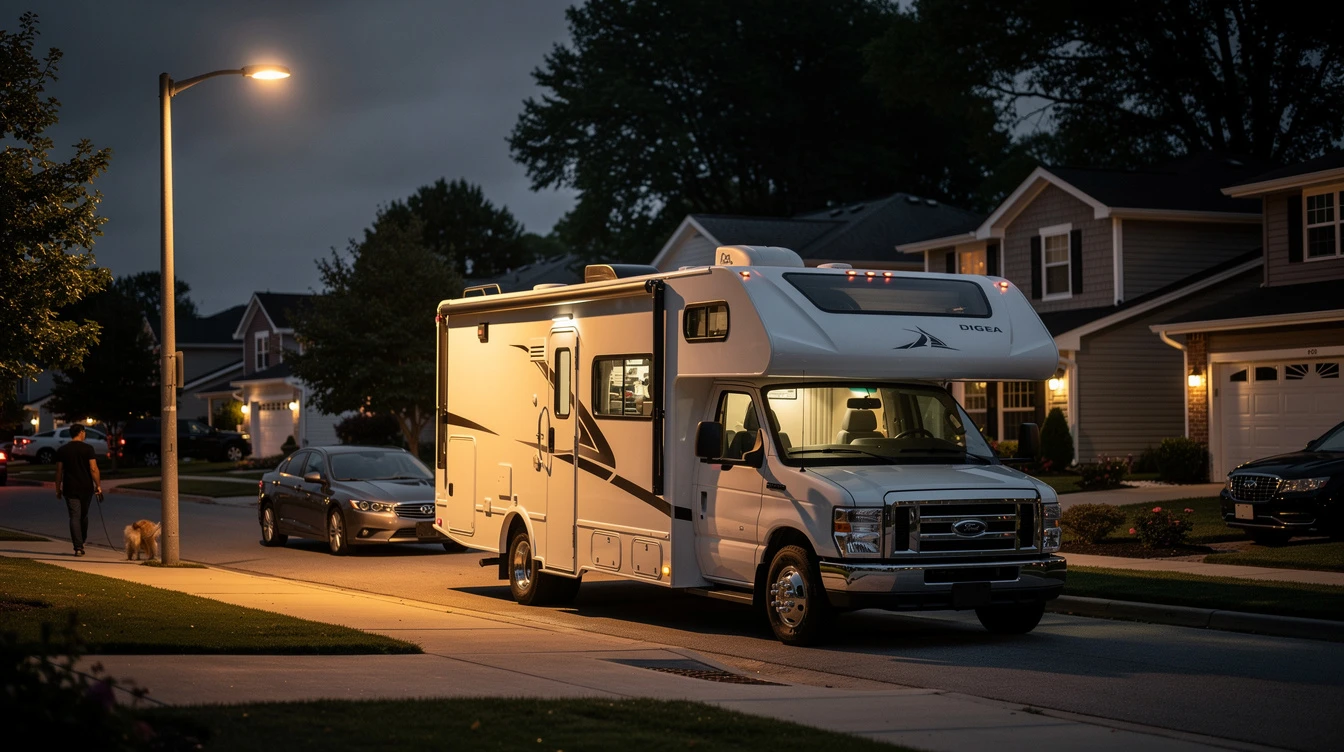
Can You Park an RV or Camper on Residential Streets Overnight?
08/31/2026 · Ride Legal
Overnight RV Parking on Residential Streets Depends on Local Ordinances
Whether you can park an RV or camper on residential streets overnight usually depends on specific municipal ordinances, regardless of your vehicle's registration status. While having valid plates and insurance ensures your vehicle is compliant for public road use, local codes often impose time limits or outright bans on oversized vehicles in residential zones.
You should always consult your local city or homeowner association (HOA) rules before leaving a recreational vehicle parked on the street. Even if no signs are posted, many jurisdictions have broad policies that prohibit overnight parking for non-passenger vehicles in residential neighborhoods.
Start Your Bespoke Registration →
Registration and Compliance Standards for Recreational Vehicles
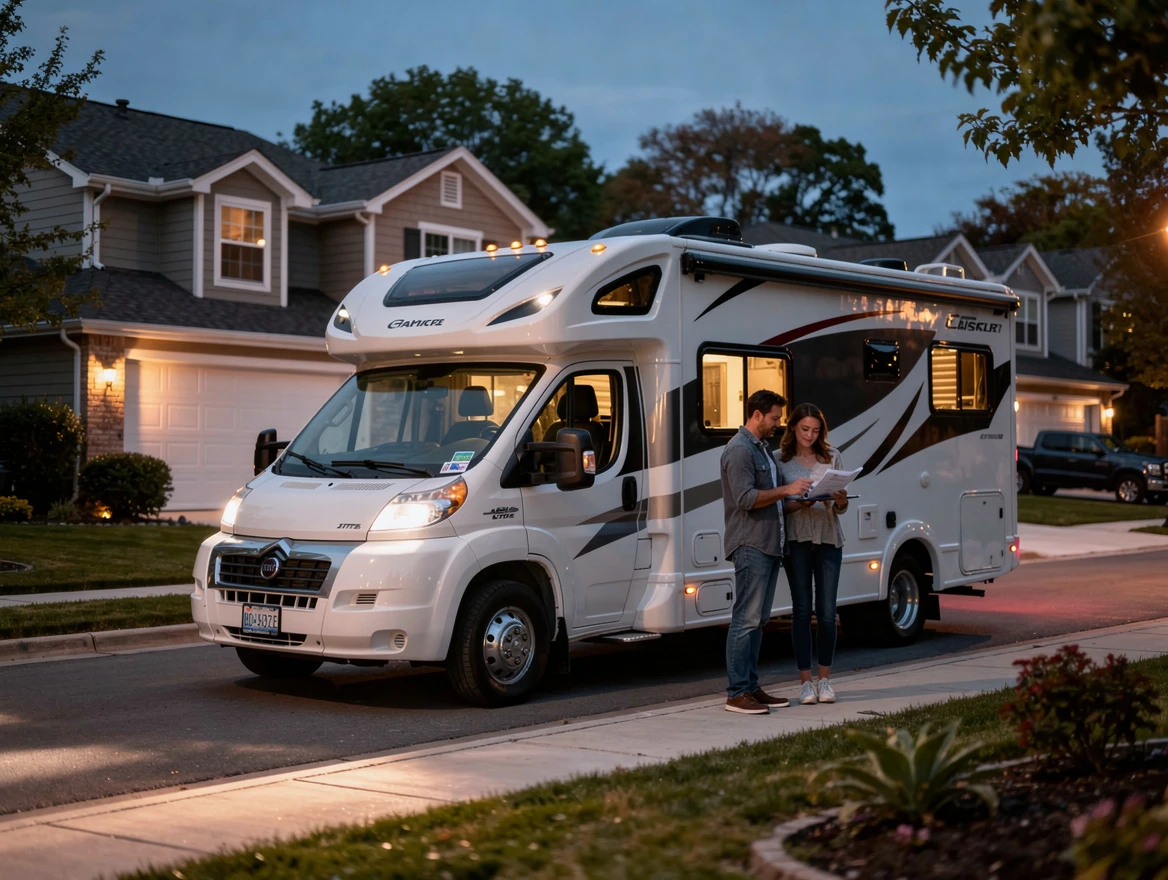
Maintaining valid registration is the baseline for vehicle ownership. When you use your vehicle in different states, keeping your paperwork current is essential to avoiding unnecessary attention from local authorities. A Dirt Legal team has completed over 5,000 customer orders to date (internal data, current, n=5,903), demonstrating how professional support helps owners stay on top of complex requirements.
Ready to register your vehicle?
Join thousands of vehicle owners who use Ride Legal to handle their registration quickly.
Start Your Bespoke Registration →
The Importance of Proper Documentation
Your registration status is the primary document that authorities check if they question your presence. If you are operating a high-value asset, consider the benefits of using professional services for street-legal registration to make sure your paperwork is always managed properly.
Handling Out-of-State Vehicle Status
Moving between states often creates friction with local parking enforcement. If you keep your vehicle registered in a state where you do not reside, local police may eventually flag it for an address discrepancy. You can find more details on why this happens in our guide to What State Can You Register a Vehicle Without Living There? and by looking at Pulled Over with Expired Out-of-State Tags? Here is What Happens.
Common Restrictions on Oversized Vehicle Parking
Most cities distinguish between standard passenger vehicles and oversized units like campers or fifth wheels. Even if you have all required permits, the sheer dimensions of these vehicles can block lines of sight at intersections, creating safety concerns that neighborhoods take seriously.
Why Unposted Streets Still Have Rules
Many people assume that if there is no sign, the street is free to use. However, vehicle codes often define parking restrictions based on vehicle weight, height, or use-type. These regulations are typically found in the city municipal code rather than on signage.
HOA and Private Community Governance
If you live within an HOA, those private covenants often supersede city law. These community boards may prohibit the storage of any RV or camper on the street, even for a few hours, to maintain property values and visibility. Always check your CC&Rs before assuming that public street rules provide immunity.
| Factor | Public Street | Private Community (HOA) |
|---|---|---|
| Time Limits | Often 24-72 hours | Usually zero tolerance |
| Size Limits | Variable | Strictly enforced |
| Permit Requirement | Possible | Rarely allowed |
See How We Can Help With Your Registration →
Moving Your Vehicle to a More Compliant Registration State
For owners of high-end vehicles who find themselves constantly battling registration headaches or high renewal fees, moving to a state with more favorable registration processes can be a practical step. We provide support for those needing to register vehicles in Montana where owners often find a more consistent experience.
For those interested in how this applies to various assets, our post on Montana Exotic Car Registration: No Sales Tax, Simple Process explains the value of this structure for high-value asset owners. Additionally, we provide assistance with getting your paperwork started so you can focus on the road.
Frequently Asked Questions
Can I park my RV on the street for a few hours to load it?
Most cities allow temporary parking for loading and unloading purposes, typically ranging from 2 to 24 hours. Check your local municipal code to determine if you need a temporary permit or if you must notify local authorities.
Does having a valid registration override residential parking bans?
No, registration status does not grant you the right to park in violation of municipal ordinances. Valid registration is a requirement for all public road use, but it does not dictate where you are allowed to leave your vehicle parked when not in use.
What is the penalty for overnight parking in a residential zone with no permit?
Penalties range from warnings to fines and vehicle impoundment. Frequent violations in the same neighborhood often lead to stricter enforcement by local code enforcement officers.
Are camper shells considered RVs for parking regulations?
This depends on the specific wording of your city's code. Some definitions rely on the vehicle's classification, while others focus on the total length or height of the vehicle, regardless of whether it is a camper or a standard truck.
How can I find out the specific rules for my neighborhood?
The best place to look is your city’s official website under the 'Municipal Code' or 'Traffic and Parking' sections. If you live in an HOA, contact your board or management company directly to request the current parking policy.
Start Your Bespoke Registration, No Hidden Fees
Ultimately, while having your registration and insurance documents in order is critical for any owner, it does not exempt your vehicle from local residential parking laws. Always verify city ordinances and community association rules to avoid unexpected fines or towing, and remember that our team is here to help you manage your registration paperwork efficiently.
This is not legal or financial advice. Please consult your CPA/Attorney for all legal and financial guidance. Ride Legal is a privately owned website and is not operated by any government agency.