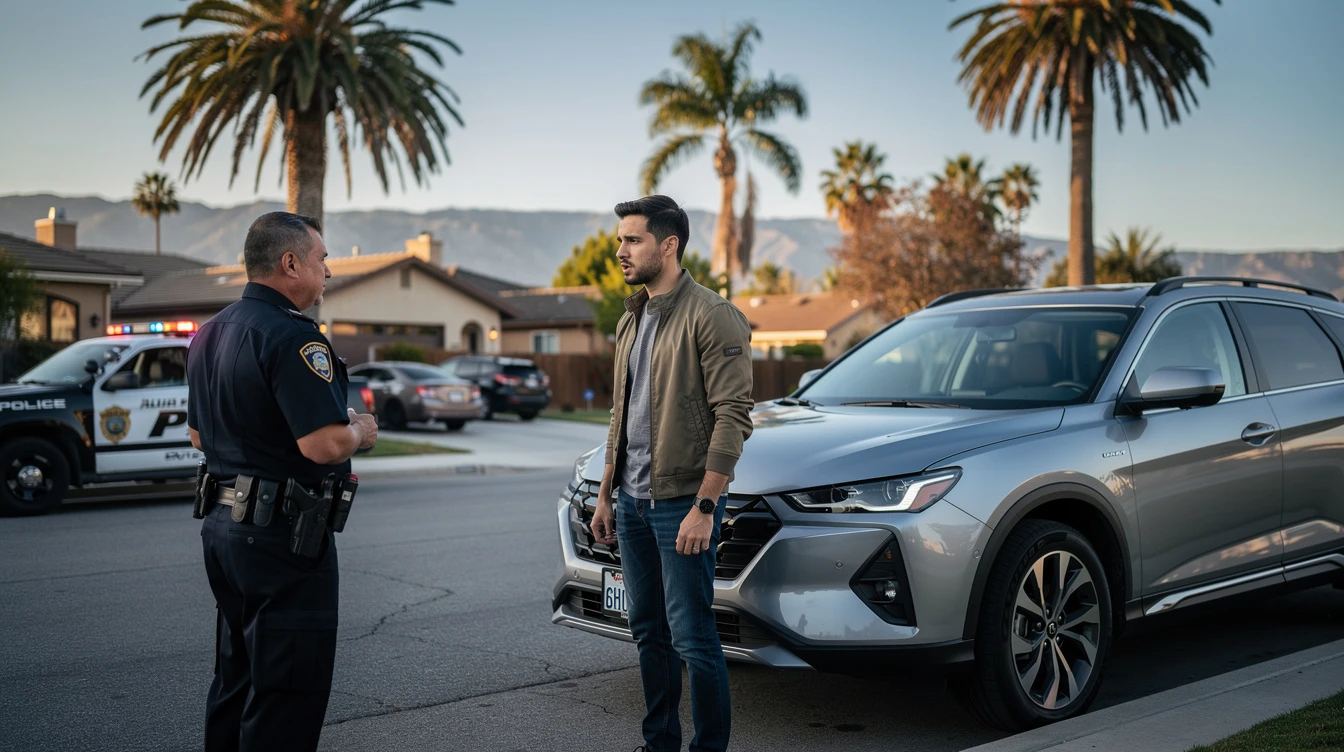
How Long Can You Drive a Montana LLC Vehicle in California?
09/18/2026 · Ride Legal
Compliance Standards for Driving a Montana LLC Vehicle in California
If you live in California and drive a vehicle registered in another state, Montana, for example, you generally must register that vehicle with the California DMV within 20 days of establishing residency or bringing it into the state. Some owners assume their vehicle is exempt because a Montana LLC holds the title. California focuses on where the driver lives and where the vehicle is primarily garaged, not who's listed as the owner on paper.
Start Your Bespoke Registration →
Understanding California Vehicle Residency Requirements
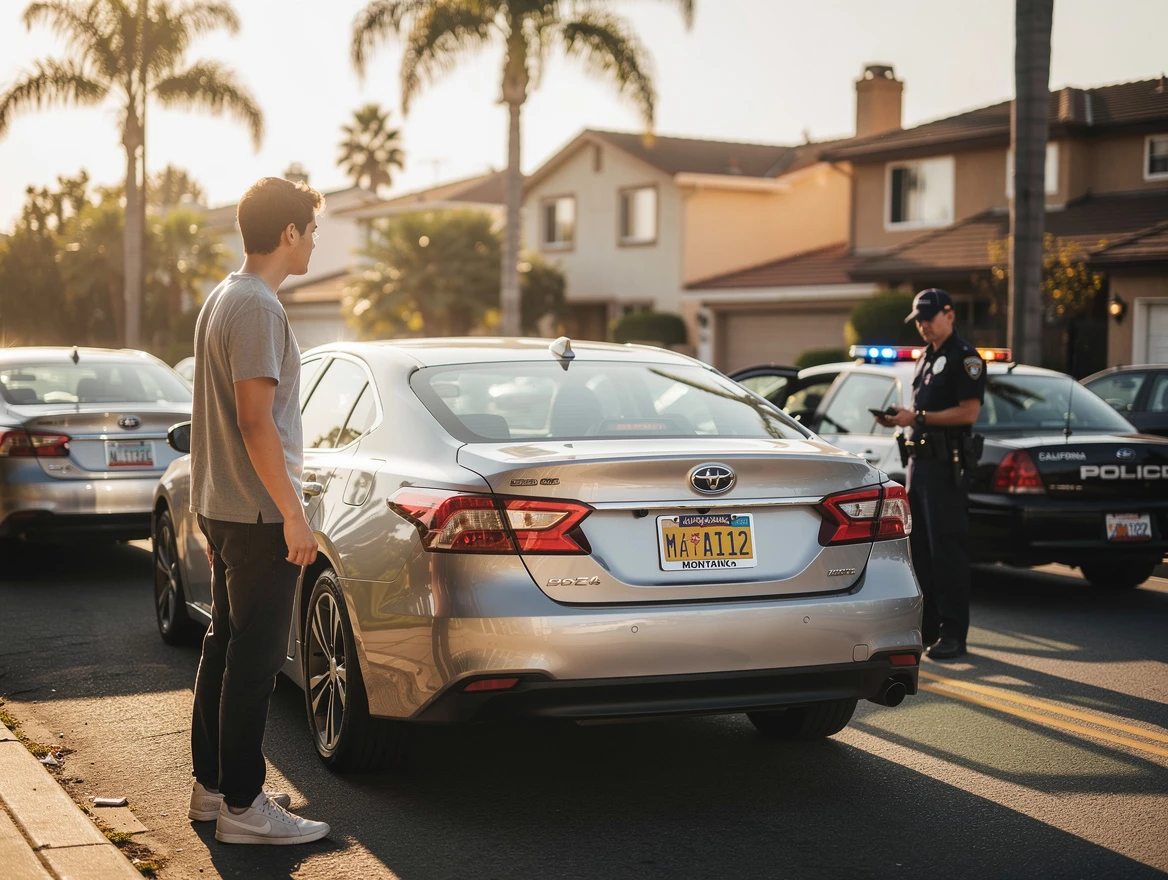
California sets clear rules about when a vehicle must switch from out-of-state plates to local registration. Under the California Vehicle Code, the state considers you a resident for registration purposes if you stay longer than six months, register to vote, accept employment, or otherwise plant permanent roots in the state. Once you hit any of those markers, you're expected to start the registration transfer process, no grace period, no workarounds.
Ready to register your vehicle?
Join thousands of vehicle owners who use Ride Legal to handle their registration quickly.
Start Your Bespoke Registration →
Why Residency Matters for Your Vehicle
Becoming a California resident triggers a real obligation to update your vehicle's status. When a car spends most of the year in the state, California authorities expect it registered locally. This isn't just about swapping license plates. It's about local tax contributions and the emissions and safety inspections California mandates for vehicles on its roads.
The Role of the Montana LLC in Asset Protection
Collectors and enthusiasts often use a Montana LLC to hold title to exotic and high-performance vehicles. The structure creates a clear separation between your personal assets and the vehicle, which can be valuable for estate planning and long-term asset protection. But here's the part people miss: even though the LLC owns the vehicle, if you, the principal of that LLC, are a California resident driving it every day, the state's registration rules still apply to how you operate it. The LLC doesn't change your residency status.
Evaluating the Risks of Out-of-State Registration
Running Montana plates while living in California invites attention from police enforcement. Get pulled over, and officers will check whether the vehicle has been in the state long enough to trigger that 20-day registration window. Keep using out-of-state plates and you're looking at citations, back-registration fees, and potentially significant penalties owed to the state of California. It adds up efficient.
How Police Enforcement Views Non-California Plates
Traffic officers are sharp about spotting out-of-state plates on vehicles that are clearly being daily-driven by local residents. If you get stopped, expect to show documentation proving where the vehicle is primarily based. If the vehicle genuinely serves business purposes through the LLC and is only temporarily in California, having that paperwork organized and ready is what separates a quick stop from a costly headache.
Risks of Delayed Registration
Missing state registration deadlines means real financial pain. California charges late fees and interest on top of registration costs, and repeat violations can result in impoundment or mandatory court appearances. Getting your assets into compliance with the state where they're primarily used is far simpler, and far cheaper, than dealing with the fallout later.
For a deeper look at managing these assets properly, check out What Collectors Need to Know About LLC Vehicle Ownership. That resource breaks down the specifics of running a business entity for your collection while keeping your registration procedures above board.
| Factor | California Requirement | Montana LLC Benefit |
| Sales Tax | High (Varies by County) | Zero State Sales Tax |
| Emissions Testing | Strict (Smog Check) | No Emissions Testing |
| Registration Fees | Based on Vehicle Value | Fixed Low Annual Fees |
See How We Can Help With Your Registration Assistance →
Strategic Approaches to Vehicle Ownership
How you hold title to a vehicle is one of the more consequential decisions an enthusiast makes. Understanding the real differences between personal registration and business-entity registration lets you protect your assets while staying on the right side of state compliance. If you're weighing the benefits of a Montana LLC, keep the focus on building a legitimate business structure, one that genuinely supports your long-term asset management strategy, not just a workaround for California fees.
Selecting the Right Registration Path
Not every vehicle fits the same registration process. Custom builds and specialty vehicles often require additional steps and documentation that standard registrations don't. What is required to register a modified vehicle with the DMV gives you a clear picture of what's involved for complex builds. Getting your paperwork right from day one saves time and prevents expensive problems down the road.
The Value of Expert Support
Registration paperwork across state lines is genuinely complicated. Working with specialists who know the mechanics of filing for a Montana LLC means your documents get done correctly the first time. Whether you're handling a standard title transfer or something trickier like a bonded title situation, professional guidance frees you to focus on actually enjoying your vehicle instead of drowning in administrative details. For a broader view of how collectors manage this, How do wealthy people manage their large exotic car collections? covers the logistics of keeping a fleet properly documented and fully compliant.
Frequently Asked Questions
Can I avoid California registration if my vehicle is owned by a Montana LLC?
Generally, no. California requires that any vehicle a resident operates on public roads must be registered in the state, regardless of the owner's business structure. If you're a California resident using that vehicle as your daily driver, the local regulations of the state where you live apply to you, full stop.
What is the 20-day rule in California?
The California Vehicle Code gives new residents, or anyone bringing a vehicle into the state, 20 days from the date they establish residency to apply for registration. Miss that window, and you're exposed to penalties and fines that officers can issue during any routine traffic stop.
Does the Montana LLC protect me from all vehicle taxes?
A Montana LLC is a genuinely useful tool for avoiding state sales tax at the point of purchase, since Montana charges zero sales tax on vehicles. That's the real benefit. But it does not exempt you from California's use taxes or local registration requirements for vehicles that primarily operate on California roads. Talk to a tax professional about your specific situation before assuming otherwise.
How does enforcement identify out-of-state vehicles?
Officers recognize patterns. Seeing the same out-of-state plate parked in the same neighborhood, driveway, or workplace lot month after month is a red flag. If your vehicle is regularly parked in California, the state will likely treat it as garaged here, which moves it squarely into compliance-check territory.
What should I do if I am stopped in a Montana-registered vehicle?
Stay calm and hand over your driver's license, insurance, and registration paperwork. If the vehicle belongs to an LLC, have the LLC's documents with you, not just in a filing cabinet at home. Be straightforward about where you live and how long the vehicle has been in the state. If you're already working through the registration process, bring documentation of that progress. It shows good faith and often makes a real difference.
Start Your Bespoke Registration, No Hidden Fees
Staying on top of your vehicle registration requirements is a critical move for any serious enthusiast. Work with registration specialists who know the rules, keep your documentation current, and you can spend less time worrying about compliance and more time behind the wheel. Whether you're managing an exotic collection or a single specialty bike, having the right support keeps your assets handled properly, and keeps you on the road where you belong.
This is not legal or financial advice. Please consult your CPA/Attorney for all legal and financial guidance. Ride Legal is a privately owned website and is not operated by any government agency.