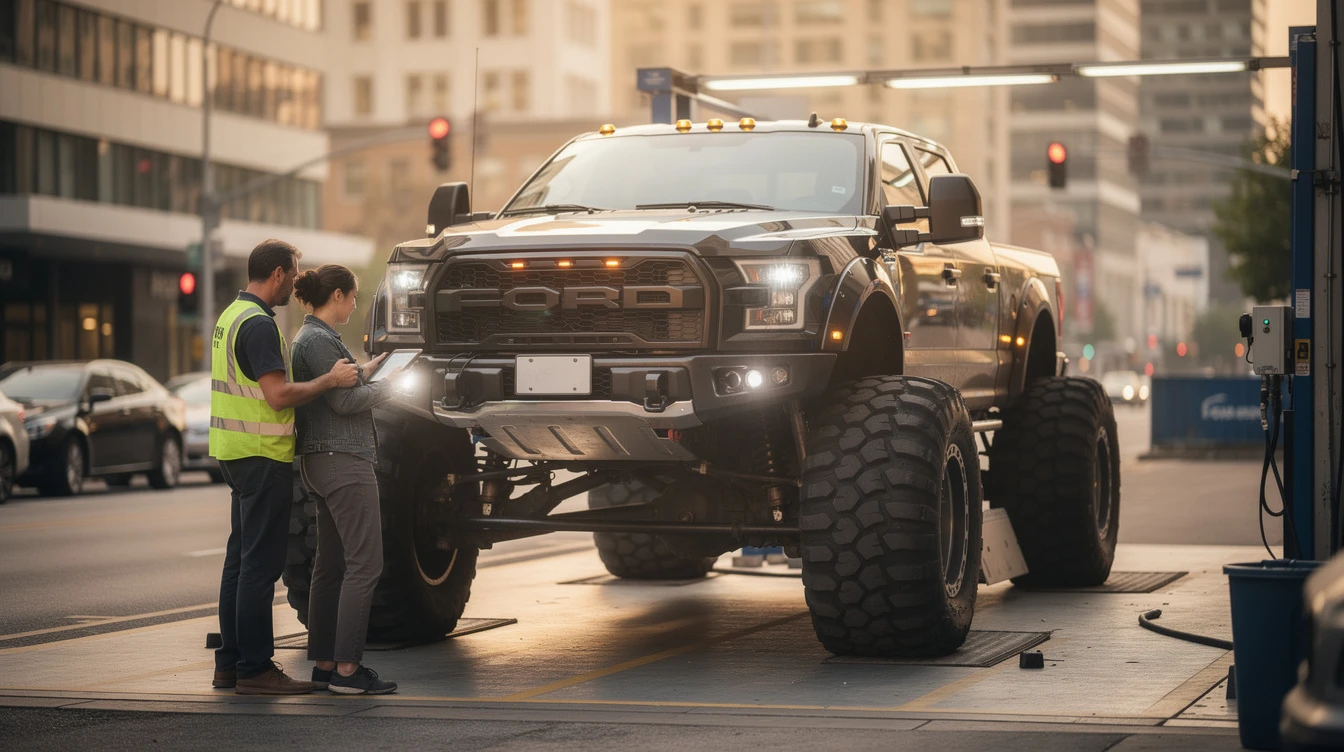
Yes, you can potentially make a monster truck street-legal by modifying specific components to meet state-level equipment standards and securing proper documentation. This process requires significant adjustments to lighting, mirrors, exhaust systems, and tire coverage to make sure the vehicle complies with basic road-use regulations.
Start Your Bespoke Registration →
Requirements for Street-Legal Classification Vary by State
Transforming a high-clearance off-road beast into a road-capable machine is not a one-size-fits-all endeavor. States maintain specific, often rigid, equipment codes for vehicles intended for public highways. To be considered for registration, your truck must generally feature functioning turn signals, headlights, taillights, and brake lights that meet federal output standards. Additionally, the height of your bumpers, the coverage of your tires via fenders, and the noise levels emitted from your exhaust must fall within designated statutory limits.
Why Lighting and Visibility Matter
Law enforcement relies on standardized lighting to identify vehicles at night. A monster truck with standard high-intensity off-road pods will likely be rejected during an inspection. You must replace or supplement these with DOT-approved lenses that provide the correct beam pattern and color. Visibility also extends to your mirrors; standard motorcycle or small car mirrors may not provide the necessary field of vision to see traffic behind such a large build.
Brakes and Handling Modifications
Weight and momentum are the primary challenges when putting a massive tire setup on the pavement. Your stopping distance is significantly impacted by the rolling mass of monster-sized wheels. You should expect to upgrade your master cylinder, brake calipers, and rotor sizes to handle the stress of daily driving. Handling characteristics, especially at highway speeds, will require alignment geometry that minimizes bump steer and maximizes stability.
The Role of Montana Registration in Your Vehicle Ownership Journey
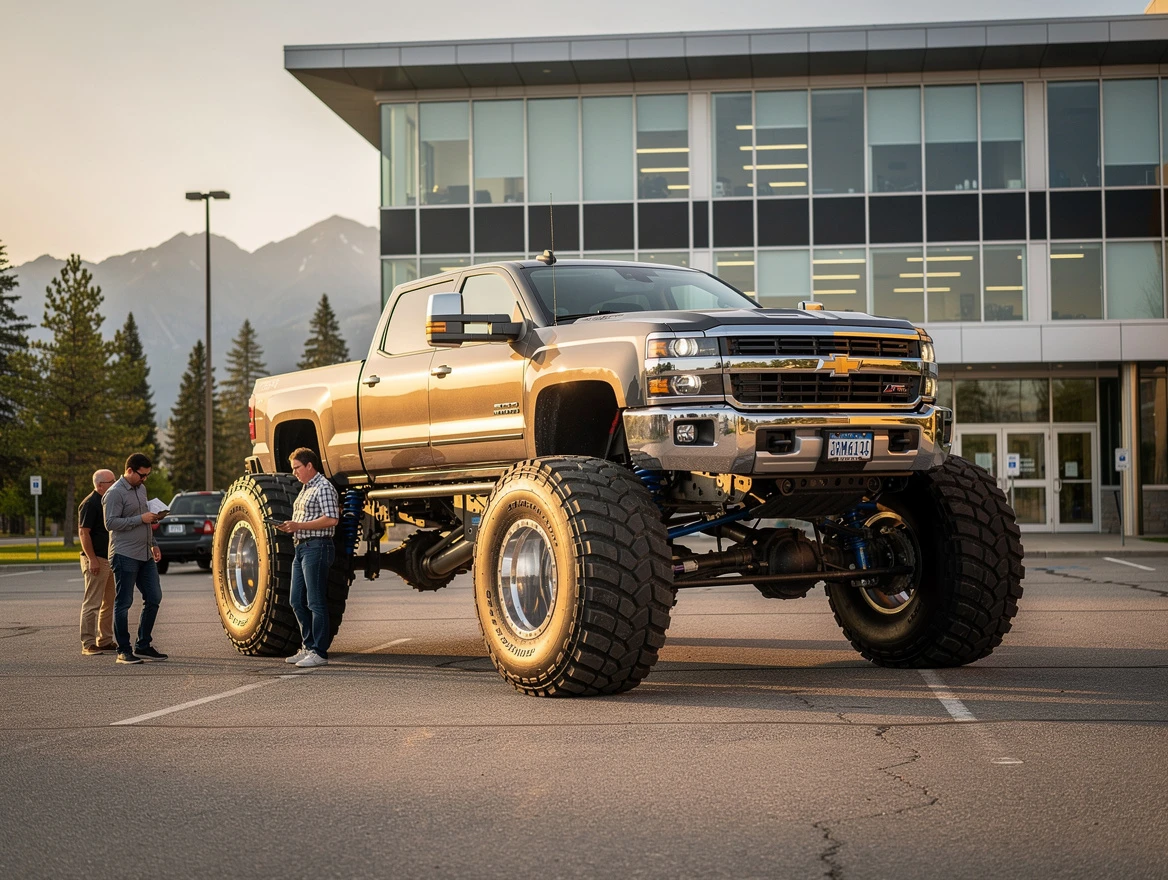
Navigating the complex paperwork required to title a custom-built, modified, or uniquely constructed vehicle can be daunting. Many enthusiasts find that the Montana LLC structure offers a consistent, proven path for registering heavy-duty and custom vehicles. Because Montana does not impose sales tax on vehicle purchases, it is a preferred destination for high-value asset protection. Ride Legal has guided enthusiasts through over 6,000 completed orders, providing the structural support needed to keep specialized vehicles registered correctly (internal data, lifetime through current month, n=6,059). A more detailed breakdown is available in Montana Exotic Car Registration: No Sales Tax, Simplified Process for High-Value Vehicles. This article explains how the structure works and why it remains a popular choice for custom vehicle owners.
Ready to register your vehicle?
Join thousands of vehicle owners who use Ride Legal to handle their registration quickly.
Start Your Bespoke Registration →
Asset Protection and Long-Term Value
When you invest significant capital into a custom build, protecting that investment is just as important as the mechanics of the build itself. Using an LLC to hold title creates a separation between your personal finances and your vehicle assets. This is a common strategy among those who manage multiple high-value, non-standard vehicles. For insights on managing these assets, refer to Why Classic Car Collectors Are Protecting Their Investments with Proper Titling. Proper documentation ensures your vehicle is recognized correctly in the eyes of the law, which is vital for both insurance and resale purposes.
Maintaining Registration Compliance
Keeping your registration current is essential for preventing future headaches. When modifications change the basic classification of your truck, the original manufacturer of record might no longer apply. You must verify that your documentation reflects the current state of the vehicle. If you encounter issues during this process, Why Your Vehicle Registration Gets Rejected and How to Fix It provides a helpful guide on identifying and resolving the most common hurdles that owners face.
Summary of Compliance Standards for Custom Builds
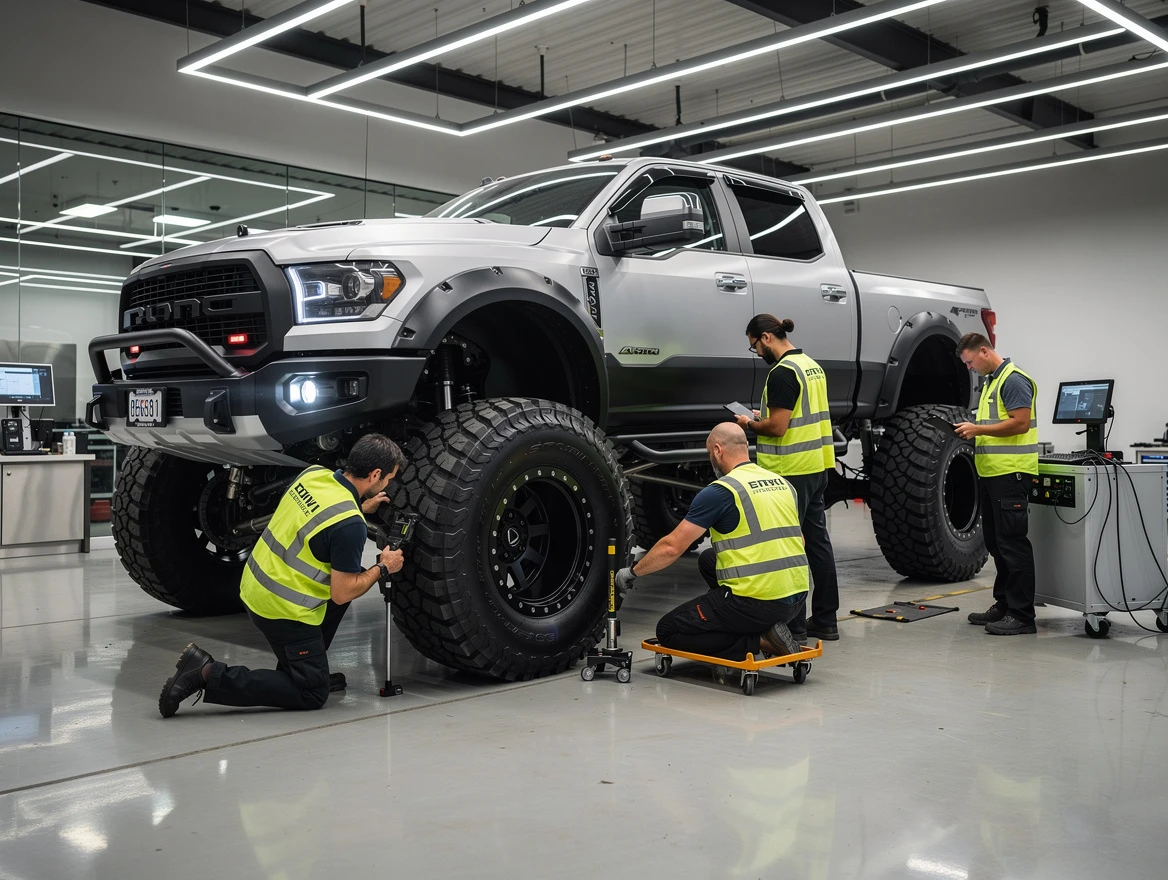
While every build is different, the following table outlines the general categories of equipment that most jurisdictions require for road use. Keeping these in mind during your build will simplify your later registration attempts.
| Equipment Category | Standard Expectation | Why it Matters |
|---|---|---|
| Lighting | DOT-approved headlights, turn signals, and reflectors. | Required for night safety and street-legal visibility. |
| Safety Glass | Windshield must be safety-rated glass. | Prevents injury during impact or debris strike. |
| Fenders/Mud Flaps | Full tire coverage over the tread width. | Prevents rocks and debris from hitting following cars. |
| Exhaust | Muffled, compliant decibel output. | Ensures compliance with noise pollution ordinances. |
| Braking | Validated stopping distance performance. | Essential for traffic safety given large mass. |
See How We Can Help With Your Registration →
Frequently Asked Questions About Street-Legal Builds
Can I drive a monster truck on the highway even if it is registered?
Even with a valid registration, you must adhere to all traffic laws, including speed limits and lane requirements. Large vehicles often have specific restrictions on certain urban roads, bridges, or highways due to height and width clearance limitations. Always verify local traffic ordinances before entering a highway with an oversized build.
Do all states require the same modifications for street legal status?
No. Each state sets its own laws regarding vehicle equipment. Some states, like those with stringent emissions or bumper height inspections, will be much harder to pass than others. Research your specific state codes thoroughly before attempting to modify your truck, or consult with specialists who understand interstate titling variations.
Is it cheaper to buy a truck already modified or build my own?
Building your own allows you to control the quality of every component, ensuring that safety systems are built to a higher standard than what might be found on a pre-purchased project. However, the cost of parts and professional fabrication labor often exceeds the price of a completed project. Building your own guarantees you know exactly what is under the hood.
What happens to my insurance if I modify the truck?
Insurance coverage for highly modified vehicles is specialized. Standard providers may refuse to insure a custom monster truck, requiring you to find a carrier that specializes in collector or high-value modified vehicle insurance. Always inform your insurer of all major modifications to prevent potential issues with claims later.
Does a VIN check matter for a custom build?
Yes, a VIN check is critical. If your truck uses an existing chassis, the VIN must remain traceable to the original title to avoid claims of stolen components. We recommend using our VIN check service to verify your history before beginning any major work on a used chassis or donor vehicle.
Creating a monster truck that is ready for public roads takes patience, technical skill, and a deep understanding of registration requirements. You must focus on building a vehicle that is not only impressive to look at but also safe to operate in real-world traffic conditions. When you are ready to manage your paperwork, make sure your documentation matches your build quality. Start your registration process by coordinating with professionals who understand how to handle out-of-state titling for complex, non-standard assets.
This is not legal or financial advice. Please consult your CPA/Attorney for all legal and financial guidance. Ride Legal is a privately owned website and is not operated by any government agency.