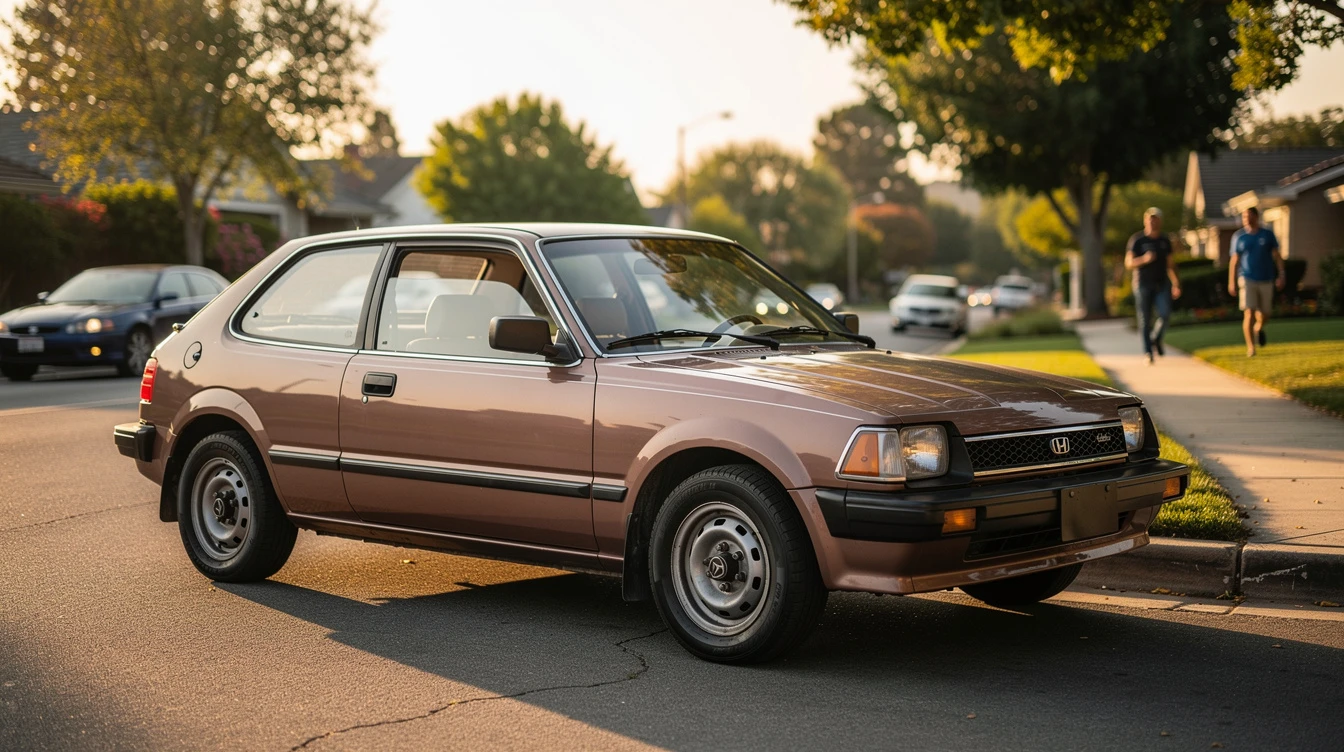
Using a 1983 Honda Civic as a daily driver is entirely possible for enthusiasts who prioritize mechanical simplicity and fuel efficiency, though it requires a proactive approach to maintenance and parts sourcing. While these vintage vehicles lack the modern safety features and creature comforts of contemporary cars, their lightweight design and reliable engineering make them surprisingly capable for short to medium-distance commuting.
To keep an older vehicle on the road for the long haul, you must focus on preventative care and make sure that critical components like the cooling system, timing belts, and fuel lines are in peak condition. For many owners, the tactile, analog driving experience justifies the trade-off in convenience.
The Mechanical Reliability of a 1983 Honda Civic
The 1983 Honda Civic is widely recognized for its design, which is a hallmark of the era's Japanese engineering. Unlike modern vehicles that rely heavily on complex electronic control units, the 1983 model features a more mechanical architecture that is often easier to diagnose and repair.
Engine Performance and Daily Commuting
The CVCC engine found in many 1983 models provides efficient fuel consumption, which was a primary selling point when the car was first released. When maintained correctly, these engines can run for hundreds of thousands of miles. However, you should expect that a vehicle of this age will occasionally require attention to its carburetor and vacuum systems, which are prone to wear over time.
Transmission and Drivetrain Longevity
Whether you choose the five-speed manual or the automatic transmission, the mechanical longevity of these components is impressive. Manual transmissions, in particular, are lauded for their simplicity. If you plan to use this car as a daily driver, make sure the clutch linkage is properly adjusted and the transmission fluid is changed regularly to prevent shifting issues during your commute.
Sourcing Parts and Maintenance for Vintage Hondas
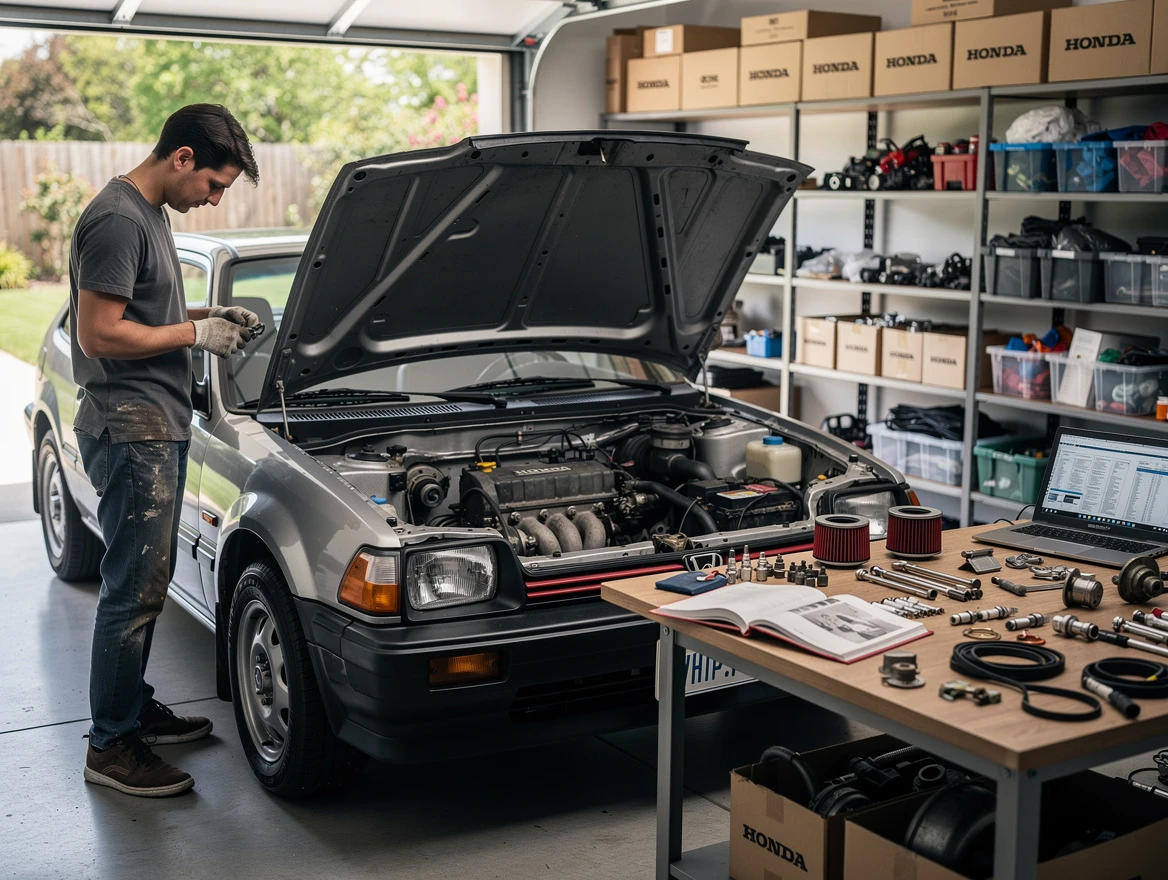
Finding parts for a forty-year-old vehicle is significantly different from picking up components for a modern car at a local shop. You will likely need to build relationships with specialty parts providers and online enthusiast communities to keep your vehicle in top shape.
Ready to register your vehicle?
Join thousands of vehicle owners who use Ride Legal to handle their registration quickly.
Start Your Premium Registration →Where to Find Replacement Components
Many aftermarket parts are no longer manufactured, meaning that used, refurbished, or new old stock items are often your best options. Online forums and enthusiast groups are excellent resources for finding individuals parting out similar vehicles. We understand that proper documentation is vital when restoring older vehicles, particularly regarding Odometer compliance (internal data, rolling last 90 days, n=39).
DIY vs Professional Shop Repairs
The straightforward layout of the 1983 Civic makes it a fantastic platform for learning automotive mechanics. If you have basic tools and a service manual, you can perform most routine tasks yourself. For more intensive work, such as engine rebuilding or transmission overhaul, you should seek out a shop that specializes in Japanese classic cars rather than a standard dealership.
Safety and Comfort Considerations for Modern Traffic
It is important to acknowledge that a 1983 vehicle was engineered long before the implementation of current safety standards. Driving an older car in heavy traffic conditions requires a heightened level of situational awareness that differs from driving a modern vehicle.
Updating Safety Features
While you cannot add modern crumple zones or side-impact airbags, many owners choose to improve visibility by upgrading to modern LED headlights and ensuring the braking system is upgraded with high-quality pads and lines. Properly functioning tires are also a non-negotiable requirement for safe operation on highways.
Managing Interior Comfort
The cabin of an 1983 Civic is sparse by today's standards. Without modern sound insulation or sophisticated climate control, road noise and cabin temperatures are significant factors. Many enthusiasts mitigate this by adding modern sound-deadening material beneath the floor mats and ensuring the heater core is functioning perfectly for colder months.
| Feature | Modern Daily Driver | 1983 Honda Civic |
|---|---|---|
| Safety Features | Advanced Systems | Basic/Analog |
| Fuel Efficiency | High | Moderate |
| Maintenance Difficulty | High (Electronic) | Low (Mechanical) |
| Road Noise | Minimal | Noticeable |
Planning Your Vehicle Ownership Journey

Choosing to use an older car as your main mode of transport requires a change in mindset. You must be prepared for the occasional day when the car needs to remain in the garage for repairs, making a secondary vehicle or alternative transportation a wise contingency plan.
The Appeal of Classic Ownership
There is a unique pride in keeping a vintage machine on the road. The 1983 Civic, with its boxy aesthetic and classic proportions, stands out in a sea of modern SUVs. It is a vehicle that rewards you for your attention and provides a rewarding connection to the road.
Registration and Titling Documentation
Ensuring that your vehicle registration is current is just as important for a vintage car as it is for a new one. If you have recently acquired your classic Honda, you may need assistance with an out-of-state title transfer to get your plates in order. We provide support for these processes to help keep your project moving forward without unnecessary delays.
Frequently Asked Questions
Is a 1983 Honda Civic reliable enough for a long commute?
A 1983 Honda Civic can be reliable for long commutes if it has been properly maintained and the engine cooling, electrical, and fuel systems have been thoroughly inspected. However, because parts can be difficult to source quickly, it is often recommended to have a backup vehicle available for days when unexpected maintenance is required.
Are parts for a 1983 Honda Civic expensive?
The cost of parts varies depending on whether you are buying aftermarket, original manufacturer parts, or used components. While basic maintenance items are generally affordable, specialized trim pieces or mechanical components may carry a bespoke due to their scarcity in the current market.
How does the fuel efficiency of a 1983 Civic compare to modern cars?
The 1983 Civic was remarkably fuel-efficient for its time, often achieving gas mileage that remains competitive with many non-hybrid economy cars today. However, your actual mileage will depend heavily on the state of your carburetor, tire pressure, and driving style.
What is the most important maintenance task for a 1983 Honda?
The most important task is keeping the cooling system in perfect condition. Older engines are sensitive to overheating, which can lead to catastrophic damage to the cylinder head and gasket. Regularly flushing the coolant and monitoring the radiator and hoses is essential for daily use.
Can I register a 1983 Honda Civic as a daily driver in any state?
Yes, you can register a 1983 vehicle in any state. If you are struggling with complex paperwork or out-of-state title issues, we can help provide the support you need to get your classic car registered and ready for the road.
Operating a 1983 Honda Civic as a daily driver is a rewarding endeavor for the right owner. By focusing on mechanical health, staying ahead of maintenance needs, and ensuring your title and registration are handled properly, you can enjoy the timeless appeal of this classic vehicle for many miles to come.
This is not legal or financial advice. Please consult your CPA/Attorney for all legal and financial guidance. Ride Legal is a privately owned website and is not operated by any government agency.